
Cooperative resources
Tools for collective resilience
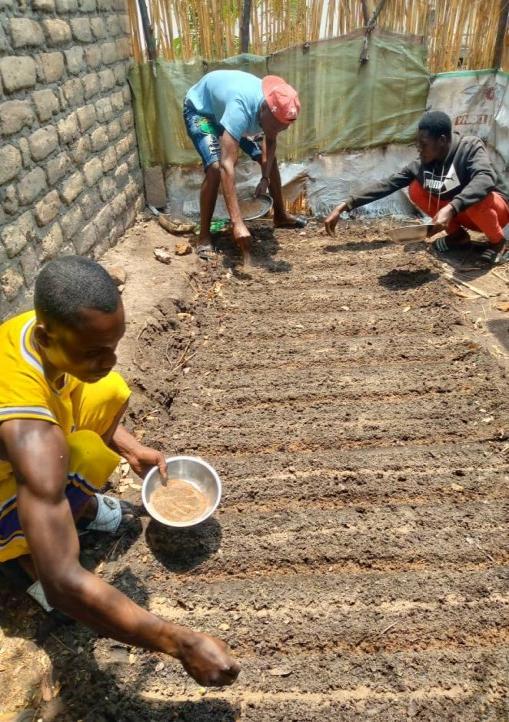
We coordinate peer-led training, shared seed banks, and practical resource toolkits managed directly by local cooperatives to secure fair yields and build lasting regional autonomy. Our focus is on empowering communities through education, promoting sustainable agricultural practices, and fostering an environment where local farmers can thrive independently. By integrating innovative techniques with traditional knowledge, we strive to enhance food security and promote biodiversity within the regions we serve.
Developed in the rich, fertile soil alongside dedicated and passionate field organizers. This initiative was thoughtfully built for immediate community deployment, designed to empower local residents without reliance on institutional support or bureaucracy. It embodies a spirit of collaboration and innovation, fostering connections between individuals while addressing pressing community needs.
+ Shared infrastructure
Our core programs
Practical systems designed to bypass top-down aid are becoming increasingly vital in our interconnected world. These resources, which are carefully curated and continuously improved, are owned, maintained, and effectively scaled by regional farming networks that prioritize sustainability and community engagement. By fostering collaboration among local farmers, these networks empower communities to achieve food security and promote agricultural innovation.
Soil health training
Cooperative seed banks
Advocacy toolkits
Hands-on field workshops focusing on organic composting, natural pest management, and water preservation techniques tailored for arid climates.
Community-managed repositories preserving resilient local crop varieties, ensuring biodiverse seed security and direct protection against climate shocks.
Structured legal and organizational frameworks to help local groups mobilize, demand policy equity, and negotiate fair crop pricing collectively.
Collective action bridges the gap between individual farm labor and systemic agricultural transformation. By uniting smallholder farmers, cooperative networks drastically reduce the costs and risks associated with soil conservation, promote equitable yield improvements, and amplify grassroots advocacy for more just and responsive agricultural policies.
1. Soil Conservation and Land Health
Effective soil and water conservation (SWC) requires large-scale cooperation to manage watersheds and prevent erosion.
Cost Sharing: Constructing physical bunds, terracing, and planting cover crops or stabilizers (like elephant grass) requires heavy upfront labor. Collective action allows farmers to pool manpower and resources, achieving economies of scale.
Knowledge Sharing: Farmer-based organizations accelerate the adoption of sustainable practices by lowering the risks involved in trialing new technologies.
2. Yield and Economic Equity
While cooperative farming can increase crop productivity, achieving true yield equity means ensuring vulnerable or marginalized farmers also share in the economic benefits.
Bargaining Power: Groups can negotiate better prices for inputs (seeds, fertilizers) and sell directly to markets, bypassing exploitative middlemen.
Equitable Distribution: Institutionalizing clear, democratic rules—in line with Ostrom's theories on public resource management—prevents free-riding and ensures that both men and women have equitable access to resources, credit, and training.
3. Policy Influence and Frameworks
Community-level cooperation forms the backbone of successful top-down and bottom-up agricultural policies
Advocacy: Cohesive farming networks amplify producer voices, enabling them to lobby for supportive government schemes (such as the Common Agricultural Policy (CAP) or Rashtriya Krishi Vikas Yojana (RKVY)) to subsidize conservation efforts.
Design & Compliance: When governments design environmental schemes, collective governance helps ensure that policies reflect local, on-the-ground realities rather than disconnected mandates
▸ Peer-to-peer scaling
How solidarity works
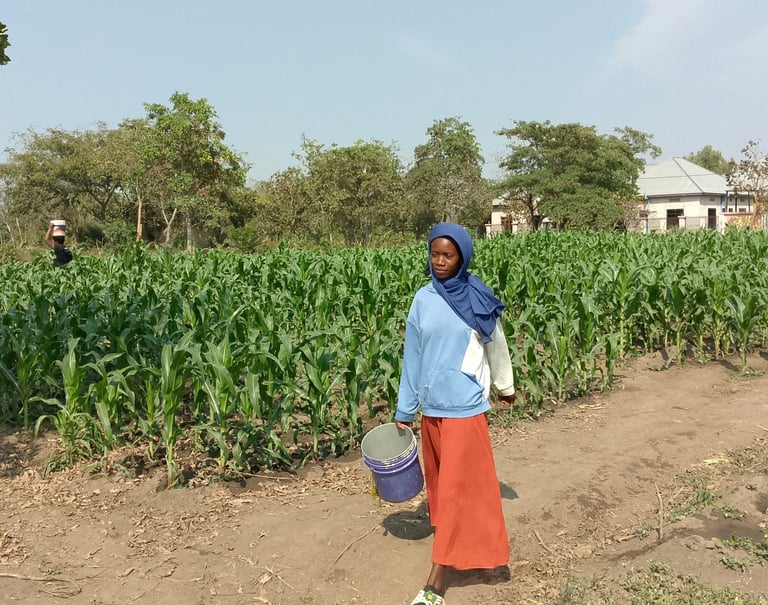
We do not import external solutions. Our model relies on local organizers mastering sustainable practices and directly training neighboring cooperatives, creating an independent, self-replicating network of agricultural knowledge. This approach not only empowers local communities but also fosters resilience in the face of economic challenges. By collaborating with these organizers, we ensure that there is a deep understanding of the unique needs of each region. Together, we can develop innovative methods that are tailored to local conditions, thus promoting a more sustainable future for agriculture and enhancing food security for all.
This network allowed us to restore our soil biology using local inputs, completely eliminating our reliance on expensive imported fertilizers.
Cooperative Organizer, East Africa
/ Join the network
Build agricultural equity
Whether you are a cooperative leader seeking practical training materials or an institutional partner looking to support proven grassroots initiatives, your collaboration strengthens the collective soil. By working together, we can enhance the impact of our efforts, create lasting relationships, and foster a sense of community that benefits everyone involved. The power of partnership lies in shared visions and mutual goals, allowing us to reach new heights and overcome challenges that may arise along the way.