
CGIAR Science Week


https://events.cgiar.org › scienceweek
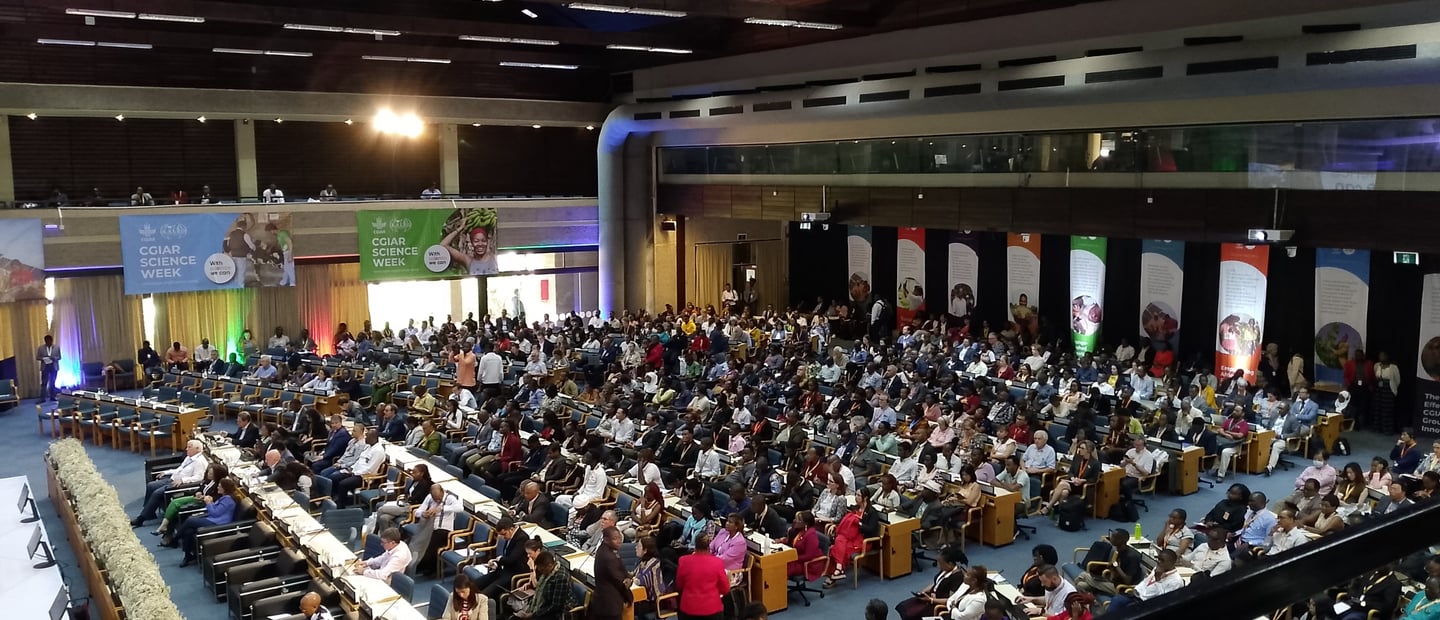
CGIAR Science Week engaged the community of global leaders in research working for a food, nutrition, and climate secure future in active dialogue
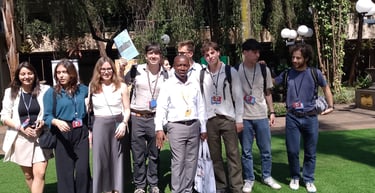
The inaugural CGIAR Science Week took place from April 7–12, 2025, at the United Nations Office in Nairobi, Kenya. The landmark event, co-hosted with the Kenyan Agricultural and Livestock Research Organization (KALRO), gathered over 10,600 global attendees to focus on transforming food, land, and water systems.
CGIAR +2
Key Highlights
Research Portfolios: The event showcased CGIAR’s 2025–2030 research portfolio, focusing heavily on climate resilience, land restoration, and nutrient-dense sustainable agriculture.
UN Decade on Restoration +1
Key Themes: Plenary sessions, Science Talks, and Innovation Showcases centered on scaling science, securing investments, and improving the livelihoods of vulnerable communities.
CGIAR +1
Program Launches: Major programs were launched, including the Climate Action Science Program and dialogues on Sustainable Animal and Aquatic Foods (SAAF).
CGIAR +1
To explore the exact agenda, recorded sessions, or read comprehensive summaries of the event, visit the official CGIAR Science Week page.
The 2024 Non-Governmental Organizations Annual Forum
The Annual NGOs Forum 2024 in Dodoma was a landmark civil society gathering held on September 4–6 at the Jakaya Kikwete Convention Center. Organized in collaboration with the National Council of NGOs (NaCoNGO), the event united hundreds of development stakeholders, government officials, and local NGOs.
Key Highlights
Theme: The forum was held under the theme “Non-Governmental Organizations are Key Stakeholders; Involve Them in Enhancing Good Governance.”
Core Discussions: Sessions focused on how to improve NGO involvement in policy-making, enhance community-level good governance, and improve accountability.
Exhibitions & Networking: Do not-for-profits and CSOs used the exhibition pavilions at the convention center to showcase community impact, share best practices, and build partnerships
Convening Body: The forum was spearheaded by the National Council of Non-Governmental Organizations (NaCoNGO).
Exhibitions & Networking: Participants from various Tanzanian NGOs and organizations (such as Amref Health Africa and Hand in Hand Eastern Africa) showcased their work and engaged in cross-sector collaborations.
Core Discussions: Sessions focused on unlocking the full potential of NGOs in the country, improving good governance, and building on sustainable community development frameworks.


The 2024 Non-Governmental Organizations Annual Forum,
Organized by the Ministry of Social Development, Gender, Women, and Special Groups in collaboration with NaCoNGO, serves as a vital platform for discussions on social issues and development strategies.
The forum graced by the presence of the official guest, Hon. Dr. Doto Biteko, the Deputy Prime Minister and Minister of Energy. The event was made possible through funding from the government, NaCoNGO, various non-governmental organizations, and other stakeholders, underscoring the collaborative endeavor to tackle significant challenges confronting non-governmental organizations and society. Participants engaged in meaningful dialogue, share best practices, and forge partnerships aimed at enhancing the impact of their initiatives on the community. This forum not only underscores the importance of collaboration but also reinforces the commitment to empowering vulnerable groups and promoting sustainable development in the region. The forum brought together leaders from various institutions. The event aimed to foster discussions and contributions on vital topics that educate and empower the participants. As representatives from diverse sectors take the stage, they shared insights and experiences that can inspire innovative solutions to the challenges facing the nation. The forum promises to be a dynamic platform for collaboration, where ideas can be exchanged and strategies developed to enhance education and promote sustainable growth. Attendees had the opportunity to engage directly with influential figures, enriching their understanding of pressing issues and potential pathways forward. This gathering not only highlights the importance of dialogue among leaders but also underscores a collective commitment to the future of education in Tanzania. In a concerted effort to address pressing issues within the region, a diverse assembly of stakeholders convened, including members of parliament and leaders from the ministry of finance. The gathering also featured esteemed lawyers who provided legal insights, alongside religious and traditional leaders who brought cultural perspectives to the discussions. International organizations contributed their expertise and resources, while representatives from local banks explored financial solutions to support development initiatives. Additionally, the head of the concerned region played a pivotal role in steering the conversation, ensuring that the needs and aspirations of the community were represented. Invitees from various sectors enriched the dialogue, fostering collaboration aimed at sustainable progress and shared goals for the future. This multifaceted approach underscores the importance of unity and cooperation in tackling the challenges faced by the region. At the 2024 forum, the official guest was the Honorable Dr. Doto Biteko, who serves as the Deputy Prime Minister and Minister of Energy, Accompanying him was the Honorable Dr. Dorothy Gwajima, the Minister of Social Development, Gender, Women, and Special Groups. address social challenges, reflecting the government's dedication to sustainable development for all citizens. A significant gathering was marked by the participation of key leaders from various sectors. Among them was Vickness Mayao, the Registrar of Non-Governmental Organizations, alongside the choir of the Ministry of Social Development, which added a vibrant atmosphere to the event. Hajjat Mwantumu Mahiza, the Chairman of the Coordination Board of Non-Governmental Organizations, played a pivotal role, as did Dr. Seif Abdallah Shekalaghe, the Secretary General of the Ministry of Social Development, Gender, Women, and Special Groups. Faki Shaweji, also from the Ministry, contributed to the discussions, while Adamson Nsimba represented the National Council of Non-Governmental Organizations (NaCONGO). The Coordination Board was further represented by Baltazar Komba, and Elia Kasanga from the Office of the Regional Commissioner of Njombe rounded out this influential assembly, highlighting the collective commitment to advancing social development initiatives.
Range of crucial topics was discussed, reflecting the pressing issues faced by non-governmental organizations in Tanzania. Key presentations highlighted the importance of sustainable development practices, emphasizing the need for collaboration between NGOs and local communities to address environmental challenges. Experts engaged in discussions about the role of technology in enhancing organizational efficiency and outreach, showcasing innovative solutions that can transform traditional approaches. Additionally, the forum addressed the significance of mental health awareness, particularly in regions affected by conflict and disaster, urging NGOs to prioritize support systems for vulnerable populations. Advocacy for marginalized groups was also a central theme, with participants sharing successful strategies for inclusion and empowerment. Overall, the forum provided a dynamic platform for knowledge exchange, fostering partnerships that can drive meaningful change in communities globally. #Steps taken by the Government is to improve the working environment and increase the recognition of the contribution of these Organizations are; the preparation of a Guide for the Coordination of Organizations in Mainland Tanzania (2020), an Electronic System for the Registration and Coordination of Organizations (2020) and a Book on the Contribution of Organizations in National Development every year. #Other steps are the preparation of a Digital Map System for the Recognition of those Organizations, its Coordination Desks in Ministries, Government Institutions and the Private Sector as well as the National Strategy for the Sustainability of those Organizations (2022/23 – 2026/27). #Give me a vote for Non-Governmental Organizations to carry out their duties based on the principles of transparency and accountability to strengthen the foundations of good governance starting from within your Organizations and in various fields of development. #I ask the leaders, members and employees of those Organizations to continue to carry out their duties with professionalism, integrity and high patriotism. #Government continues to work on the challenge of coordination of these Organizations at the TAMISEMI levels in order to finish it completely where it has started to review the Coordination Guide for those Organizations in Mainland Tanzania (2020). #I direct the Ministry responsible for these Organizations to cooperate with the Ministry of Finance and other stakeholders to manage the process of establishing a Joint Grant Fund for these Organizations. #Similarly, the preparation of Guidelines for Cooperation between the Government and Non-Governmental Organizations and to advise the Government on the best way to manage and operate it. #I am using this opportunity to ask you to continue to cooperate with the Government in the implementation of various projects and interventions. Let's remember that we all have a responsibility to build our country and bring development to Tanzanians various fields. #Government through the Ministry responsible for these Organizations as well as Ministries, Departments and other Institutions, will continue to improve the enabling environment for these Organizations to do their work with high efficiency to enable them to fulfill the goals of their establishment. #Also, we will strengthen cooperation with the Private Sector and Development Partners to enable the Non-Governmental Organizations Sector to benefit from the available financial resources, grow and spread throughout the country. #I am asking the Non-Governmental Organizations that have been given permission to provide Voter education and oversee the ongoing exercise of improving the permanent voter register to continue to carry out those duties with high professionalism and patriotism recognizing the importance of the exercise in strengthening the foundations of good governance. #It is important that all citizens participate fully in the preparation process of the National Development Vision 2050 from the initial stages until its completion. I ask you to come forward and encourage other citizens to participate and give opinions that will make it possible completion of the process. #I direct all sectoral Ministries including the President's Office - TAMISEMI and others to effectively manage the implementation of the Campaign to Eradicate Hunger and Malnutrition for Children in order to strengthen the health and well-being of children and finally eradicate the problem of hunger and malnutrition in this country.
What was articulated by the Minister of Social Development, Gender, Women, and Special Groups, Hon. Dr. Dorothy Gwajima (depicted).
#These organizations have been supporting the Government's efforts in bringing development to Tanzanians, the implementation of various projects has contributed to improving the provision of social services, generating employment and increasing the Government's income. #Today the Campaign to Eradicate Malnutrition for Children will be launched as part of the implementation of the Second Integrated National Nutrition Plan for a period of five years from 2021/22 to 2025/26. #The program has provided guidance to nutrition stakeholders on the implementation of interventions aimed at solving the challenges of poor nutrition affecting people of all ages in the country. #Through the analysis of the information of 1,368 Non-Governmental Organizations, it has been found that a total of 2.6 trillion shillings were received by these organizations and the amount of 2.4 trillion shillings was used for the implementation of projects in various fields. # The groups that benefited the most from the projects were women who were reached by approximately 47.4 percent and youth by approximately 30.5 percent.What was said by the Chairman of the
Coordination Board of Non-Governmental Organizations, Mwantum Mahiza
#I give sincere thanks to the President of the United Republic of Tanzania, Hon. Dr. Samia Suluhu Hassan for enabling us to work with Non-Governmental Organizations that have a great contribution in helping the community. #I thank the Heads of Regions and Districts for their cooperation with Non-Governmental Organizations, especially during the elections of the Council of these Organizations. I ask that this Council be given cooperation because they have a great responsibility for the future of our country.
What was said by the Chairman of the National Council of Non-Governmental Organizations (NACONGO),
Jasper Lazaro Makala
#The sector of Non-Governmental Organizations in the country has continued to grow and strengthen not only in the number of registered Organizations but through the implementation of various projects and Interventions.#We promise to continue cooperating with the Ministry responsible for NGOs and other Sectoral Ministries by carrying out our duties in accordance with the Laws, Regulations and Guidelines governing the coordination of these Organizations and other laws of the country. #Non-Governmental Organizations recognize the great work done by the Government, especially in bringing it to the people development.
ACHIEVEMENTS:
During the recent exhibition, notable progress was achieved that promoted collaboration and knowledge exchange among diverse entities. Engaging in fruitful discussions with stakeholders from governmental and non-governmental sectors facilitated the establishment of cooperative partnerships. This experience led to valuable connections with leaders, representatives, and executives from a variety of institutions, enriching our network and comprehension of different operational frameworks. Furthermore, we acquired insights into the various methodologies for preparing exhibition products, encompassing the logistical aspects of booth arrangement and associated expenses. These interactions not only reinforced existing alliances but also paved the way for future collaborations, ultimately enhancing our ability to make meaningful contributions to the exhibition landscape.
CHALLENGE:
A conspicuous lack of concrete solutions to critical issues faced by non-governmental organizations, such as navigating tax implications and charges associated with social services, was evidently unsorted. The forum neglected to address essential concerns, including the necessity for subsidies for organizations making an impact on the community, the elimination of unjust penalties, and the prompt provision of vital services. The absence of structured assistance left numerous organizations grappling with unresolved challenges that directly impede their capacity to effectively serve the community.
RECOMMENDATIONS
1. The government ought to contemplate providing grants to non-governmental organizations (NGOs) that have a direct impact on their communities through diverse projects. Just as political parties receive funding to bolster their initiatives, NGOs play a pivotal role in addressing local needs and enhancing social welfare. By extending financial assistance to these organizations, the government can empower them to execute programs that foster community development, tackle social issues, and advocate for sustainability. This partnership not only enhances the capacity of NGOs but also ensures that resources are allocated efficiently to areas where they are most required. Ultimately, such collaborations can lead to a more engaged and resilient society, benefiting both the community and the broader objectives of national development.
2. Eliminating levies and charges on equipment and funds utilized in community development endeavors can significantly bolster local initiatives by affording organizations and individuals the opportunity to allocate more resources towards enhancing infrastructure, education, and social services, communities can flourish. This financial reprieve promotes investment in crucial projects, fostering innovation and expansion. Moreover, when resources are channeled towards enhancing the community, the overall standard of living for residents elevates, establishing a more dynamic and sustainable milieu. Such policies not only facilitate the successful execution of community-led projects but also instigate greater involvement from local stakeholders, culminating in a more cooperative and engaged community. Essentially, abolishing these financial impediments can catalyze development endeavors, nurturing a more prosperous future for all.
3. In contemporary political discourse, it is imperative to uphold a distinct demarcation between political matters and the urgent societal needs. While politics often delineates the parameters within which societal issues are tackled, intertwining the two can result in polarizing rhetoric that hinders the quest for common ground. The primary focus should ideally revolve around addressing the tangible challenges encountered by communities—such as healthcare, safety, education, freedom of expression, infrastructure and etc—without the encumbrance of political motives. By prioritizing societal requirements and nurturing conversations that transcend political divides, we can foster cooperation and innovative solutions that serve the collective welfare. This strategy not only fosters cohesion but also amplifies the efficacy of endeavors aimed at enhancing the quality of life for all members of society. Ultimately, segregating these dialogues can culminate in more fruitful outcomes and a heightened sense of shared mission.
4. The government should acknowledge that non-governmental organizations (NGOs) are not adversaries, but rather indispensable allies in addressing societal challenges. Both entities share a common objective: to enhance the well-being of citizens and confront urgent issues, particularly in marginalized regions. By cultivating collaboration and offering substantial assistance to NGOs, the government can augment the efficacy of its endeavors and expand its presence in communities that might otherwise be neglected. Embracing this collaborative approach not only fortifies the endeavors of NGOs but also magnifies the government's influence, fostering a more coherent strategy for social advancement. Ultimately, a unified front between the government and NGOs has the potential to yield innovative solutions and a more robust response to the varied needs of society.
5. In the fast-evolving landscape of modern society, collaboration stands as a cornerstone for addressing the multifaceted challenges that lie before us. Through collective effort, we can amalgamate our diverse ideas and insights to formulate solutions that serve the greater good. It is imperative that our endeavors are perceived as constructive rather than op-positional to governmental endeavors. By nurturing a culture of open dialogue and mutual understanding, we can synchronize our objectives with those of the authorities, paving the way for pioneering strategies that enrich community welfare. Our cohesive front can exemplify that our intentions are grounded in fostering positive transformation, accentuating partnership over discord.
Together, we can forge a more promising tomorrow where our voices resonate in the creation of a flourishing society.









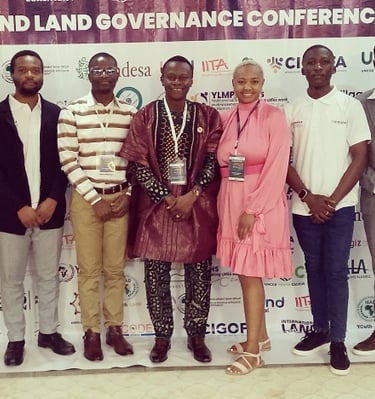
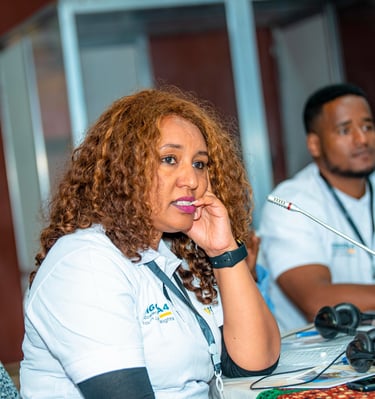
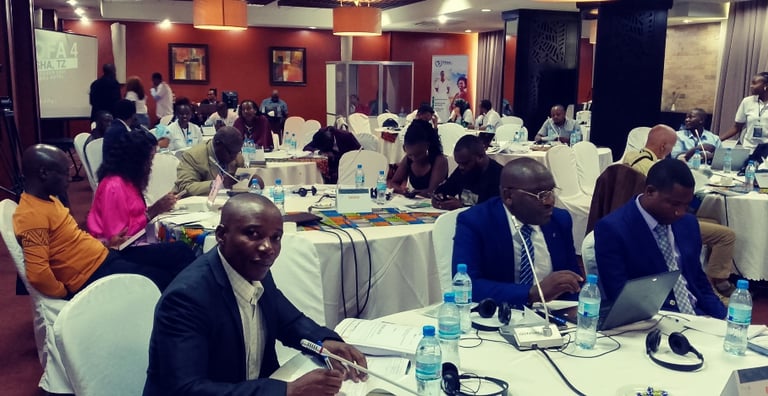
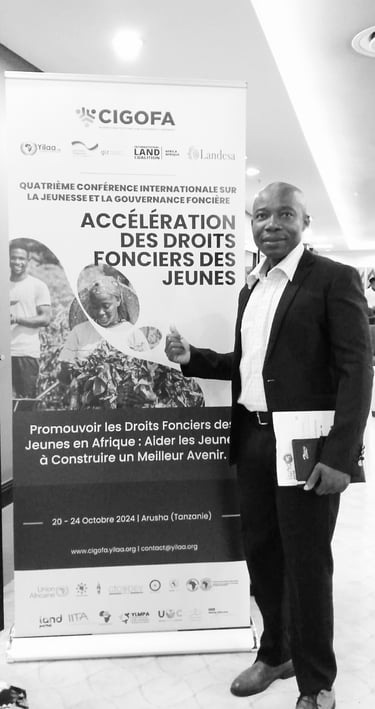
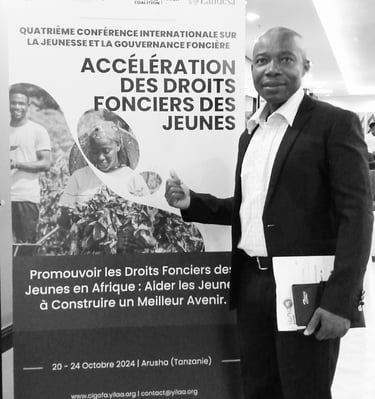
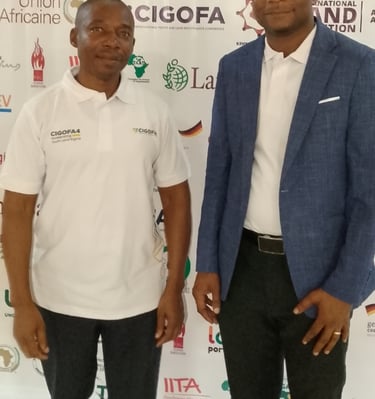
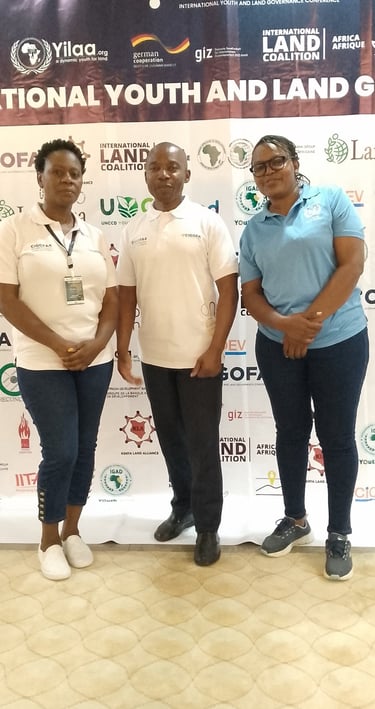
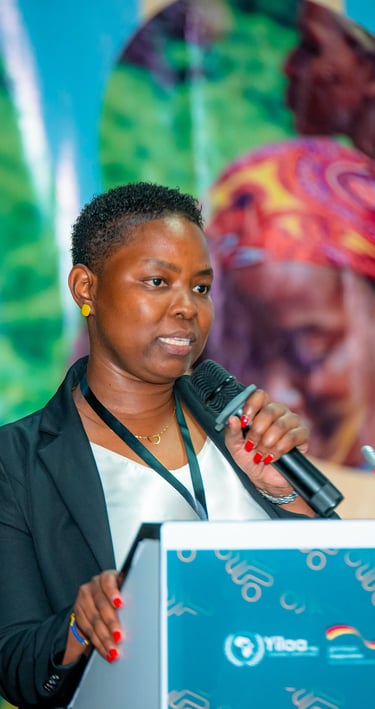
4th CIGOFA
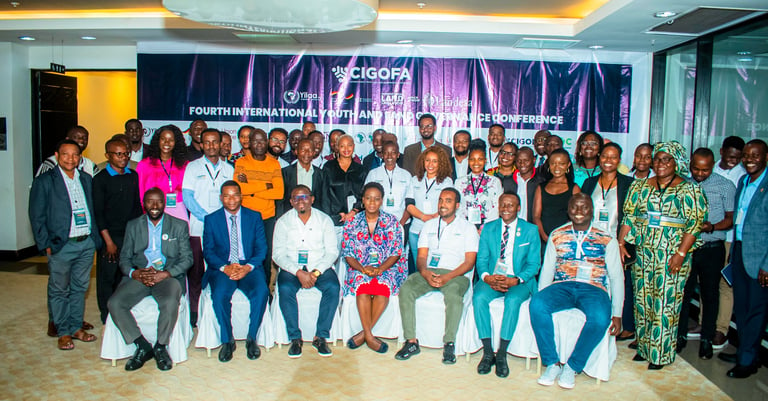
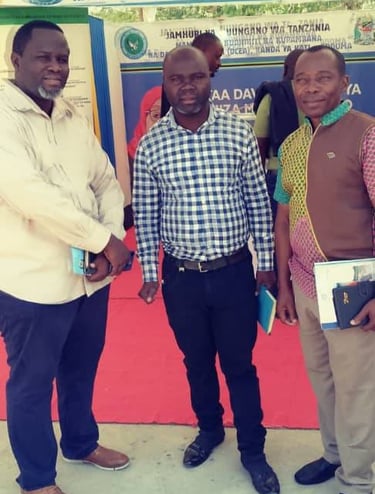
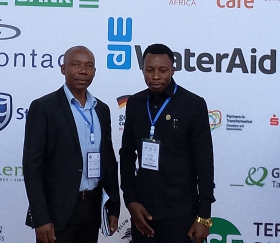
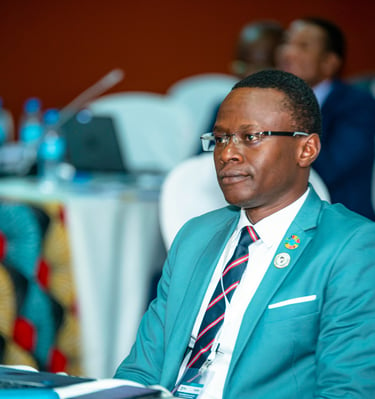
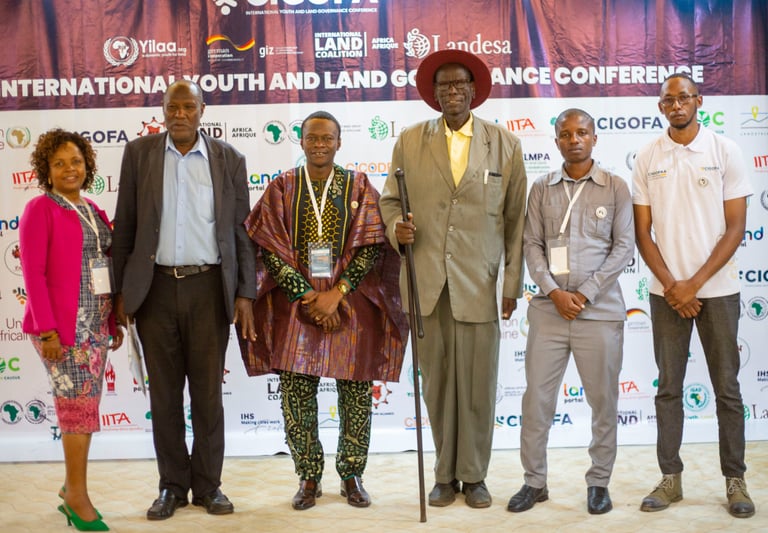
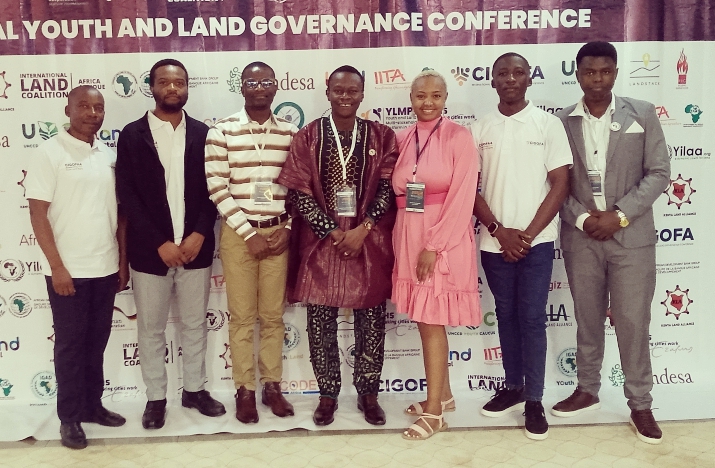
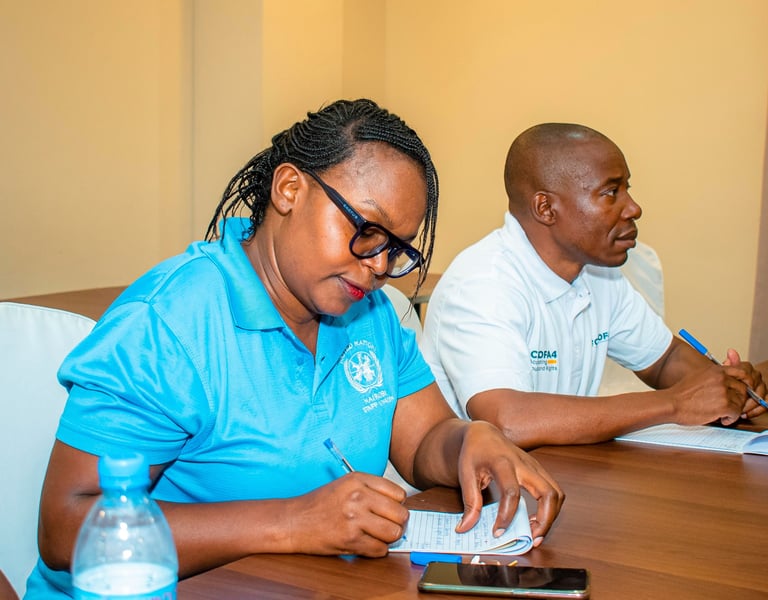
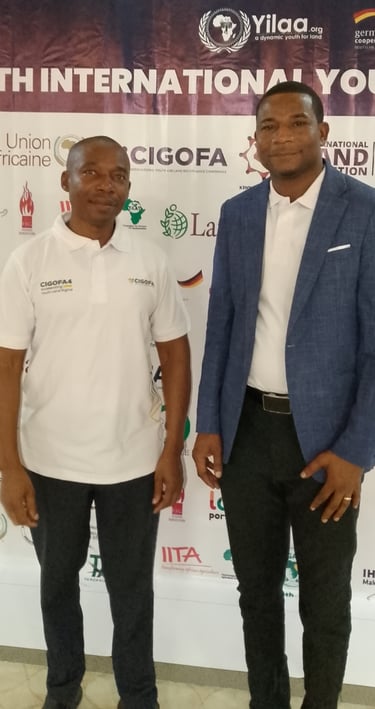
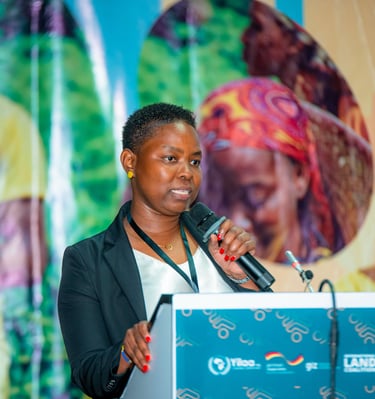
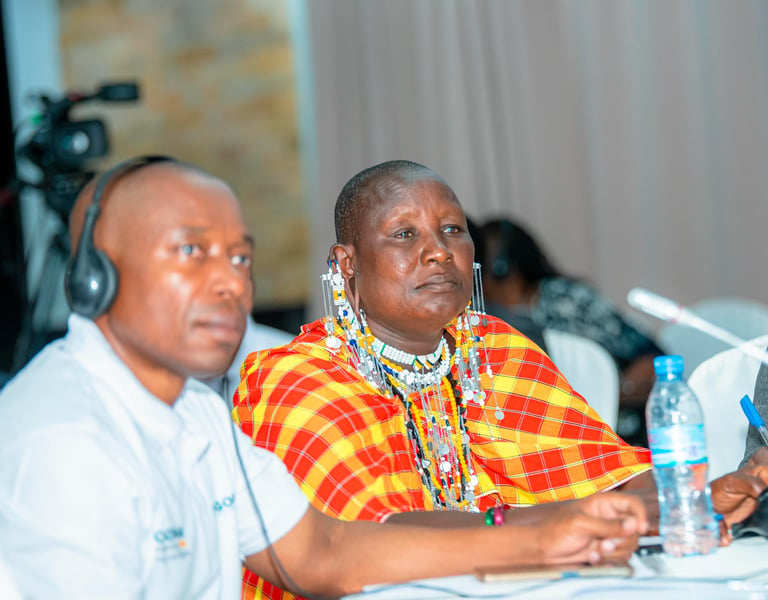
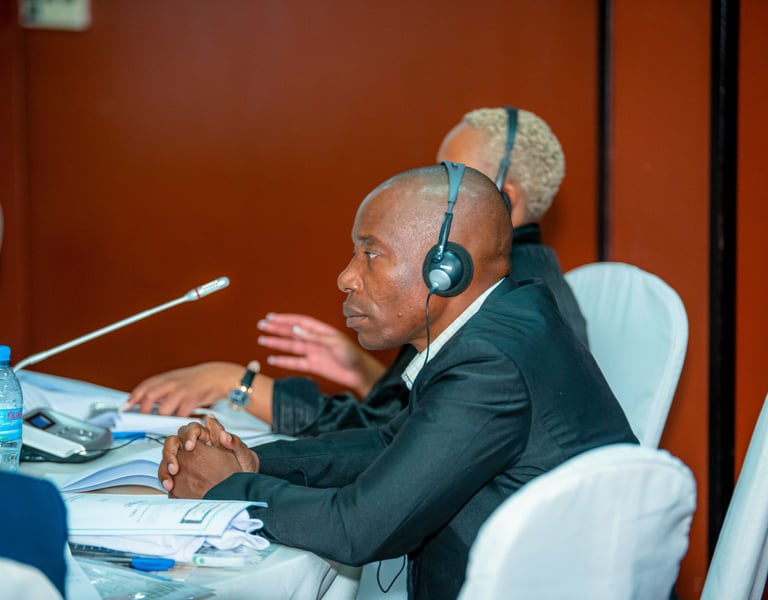
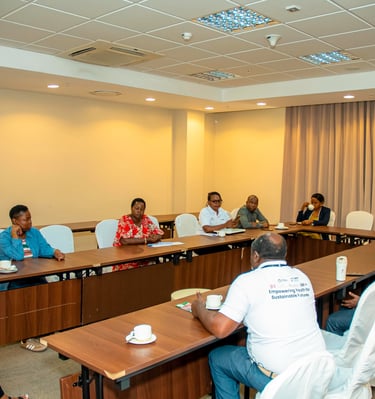
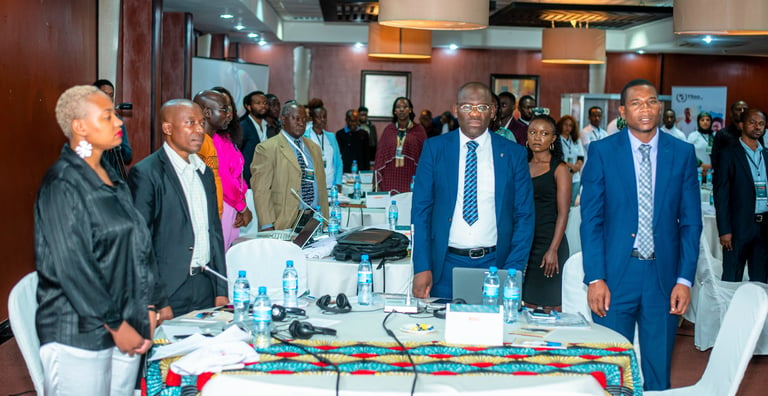
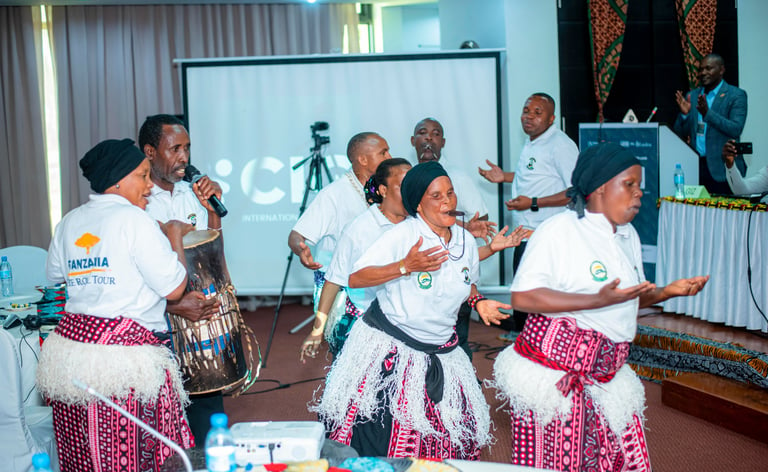
International Youth and Land Conference in Africa, was a significant occasion that united young leaders and innovators to address the vital challenges pertaining to our land and environment. Bawili Anzuruni Daudi, who holds the position of secretary general of the Tanzania branch and additionally serves as the Africa representative for the Farmers Solidarity for Agricultural and Social Development was one of the attendees. The theme emphasizes sustainable development, climate change, and empowering communities, motivating participants to exchange ideas, experiences, and approaches to promote positive change within their respective areas.
The conference included a range of workshops, keynote addresses, and collaborative sessions that encouraged youth from various backgrounds to actively participate in advocacy for environmental issues and land use regulations. SOPADAS made this an unforgettable opportunity filled with networking experiences and pioneering discussions.

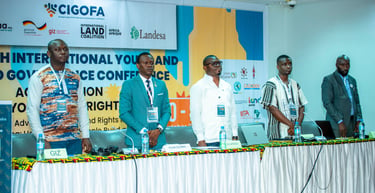
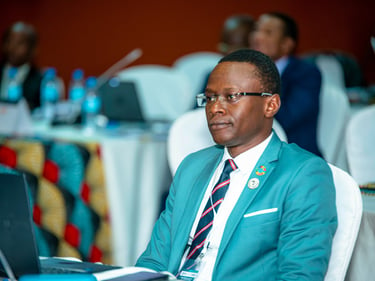
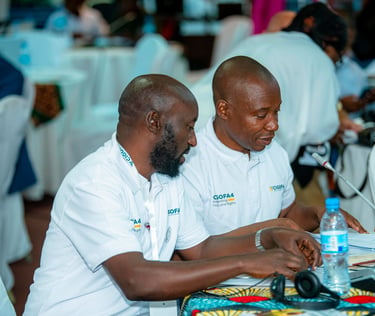
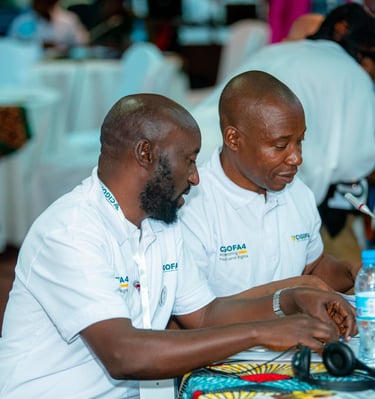
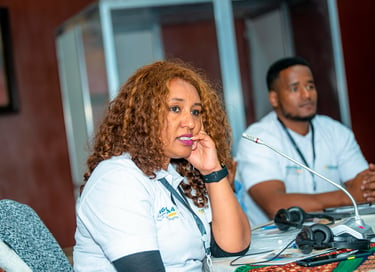


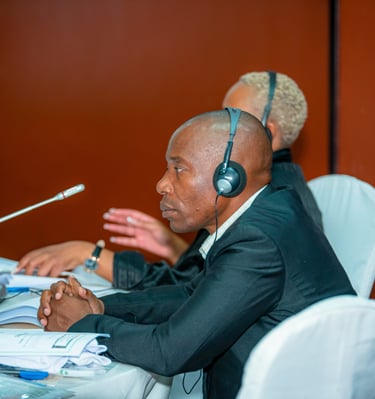
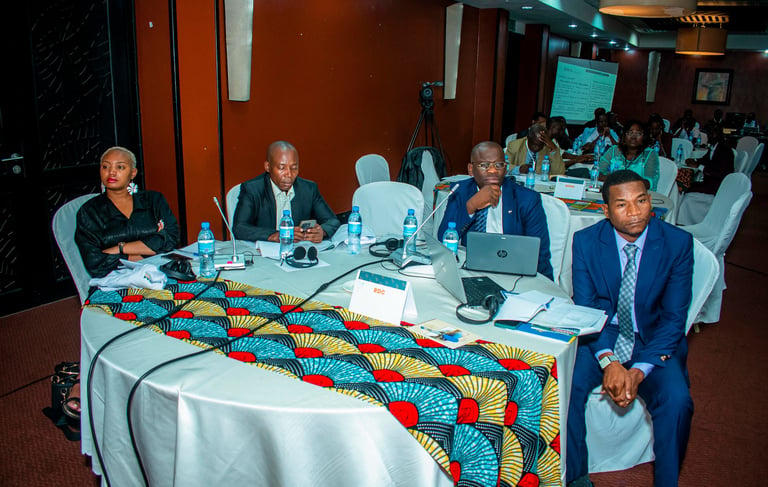
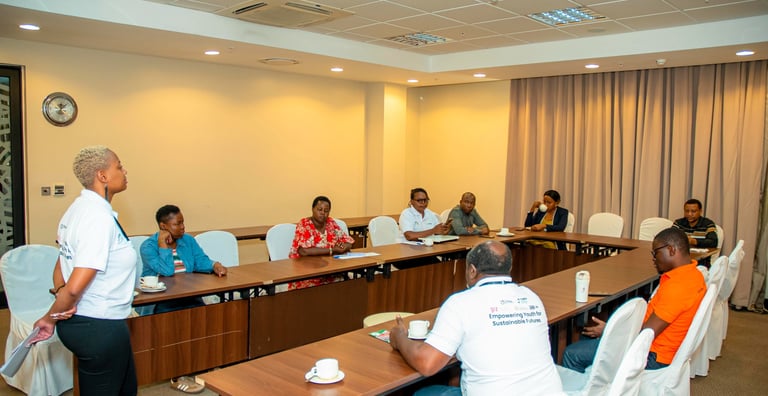
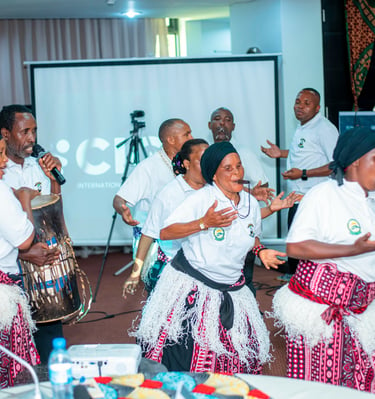
Hybrid Book Launch - Nairobi - Kenya Presented at ILRI on January 8, 2024.
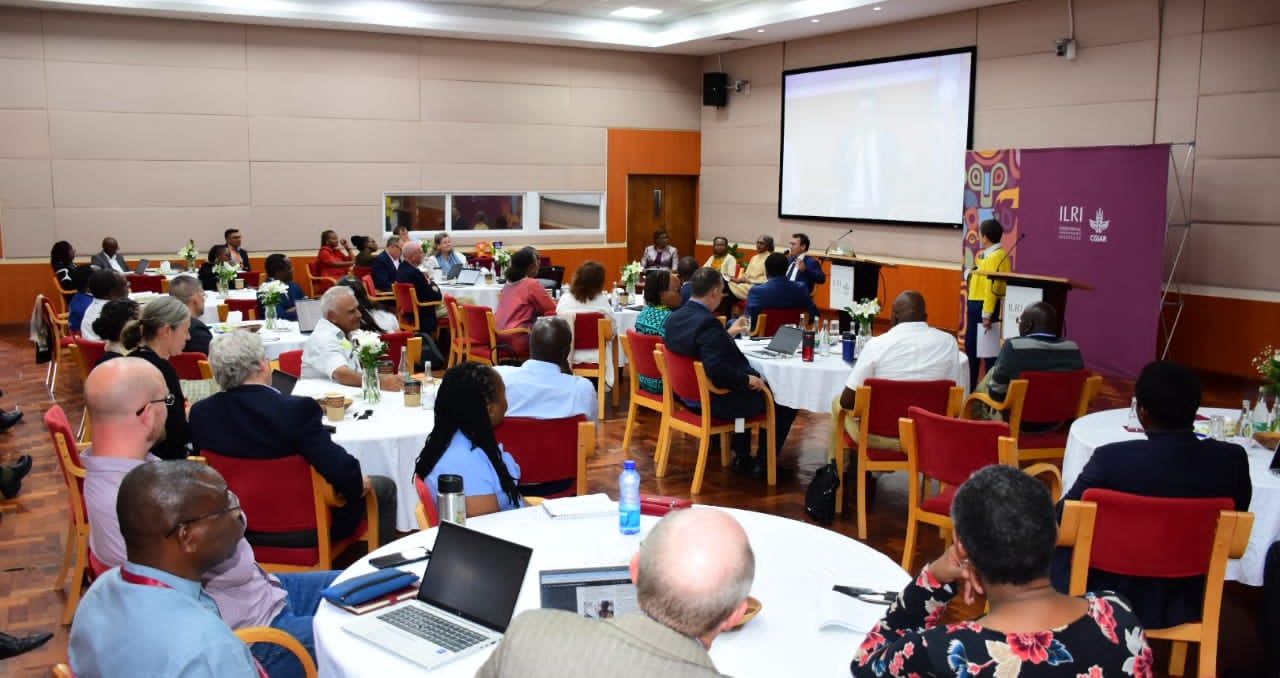
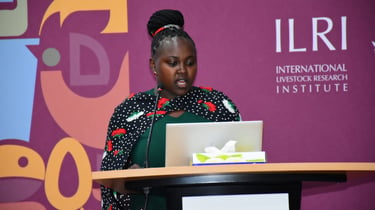
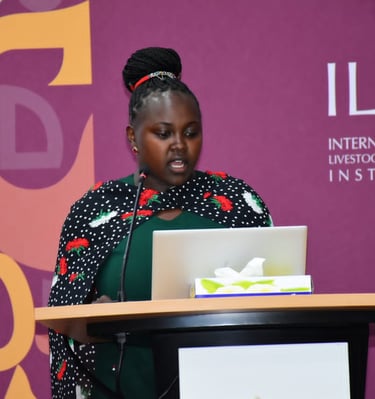

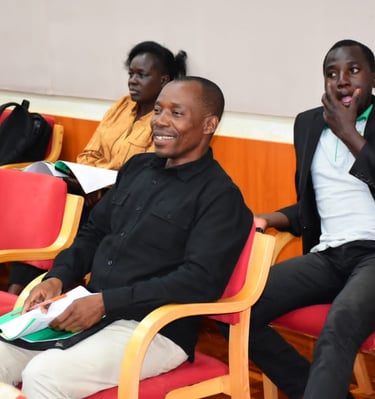

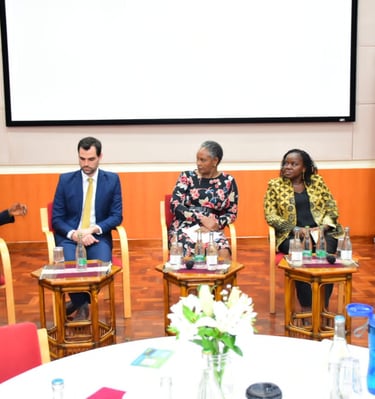
The Book was about lessons from the Past and Policy Options for the Future, edited by Clemens Breisinger, Michael Keenan, Jemimah Njuki, and Juneweenex Mbuthia, takes a critical look at Kenya’s whole food system, including food supply chains, the food environment, consumer behavior, external drivers, and development outcomes and considers the system’s history and experiences from other countries. With chapters authored by Kenyan and international experts, this collaborative work presents both a bird’s-eye view of the Kenyan food system and in-depth analyses of its components. Rigorous economic research provides unique insights into both broad policy themes and specific actions that can position Kenya as a global leader in tackling the challenges of food-system-led transformation.
Hybrid book launch took place at the International Livestock Research Institute (ILRI) Nairobi campus and online. Speakers were from academia, Kenyan research institutes, policy institutions, and CGIAR.
Please find out more @
https://www.ifpri.org/event/food-system-transformation-kenya-lessons-past-and-policy-options-future
Permanent link to cite or share this item; https://hdl.handle.net/10568/137341
External link to download this item
https://www.ifpri.org/event/food-system-transformation-kenya-lessons-past-and-policy-options-future
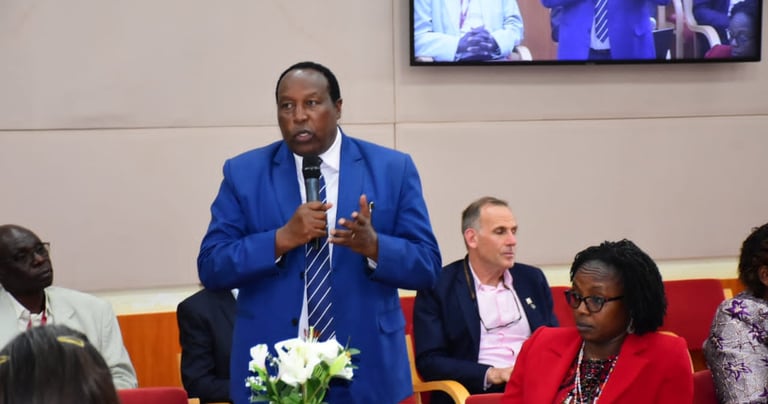
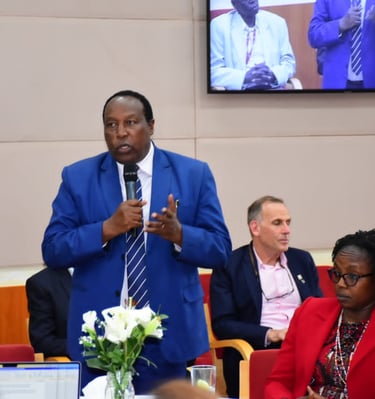

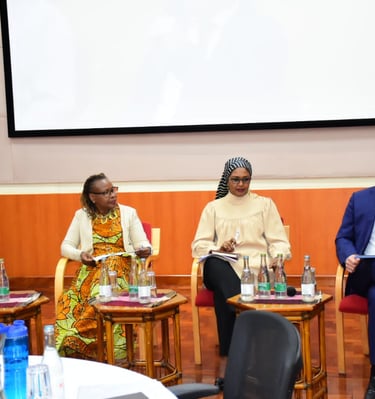
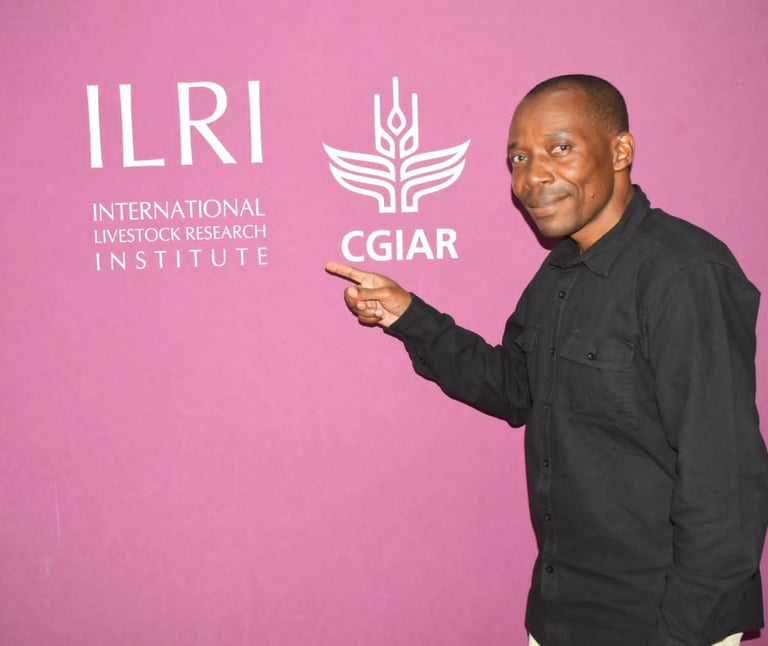
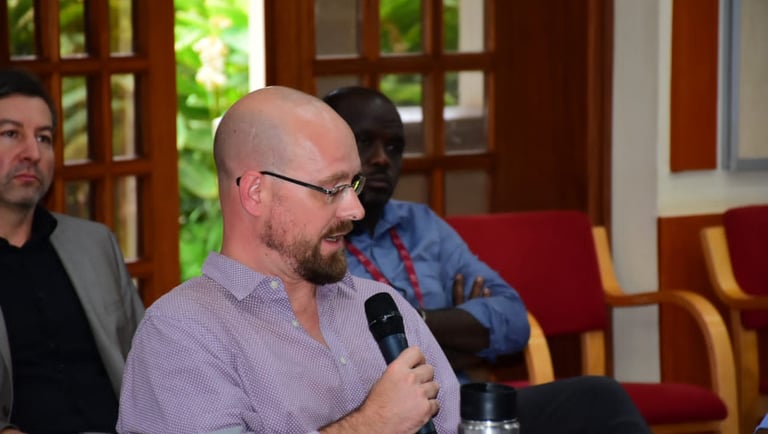
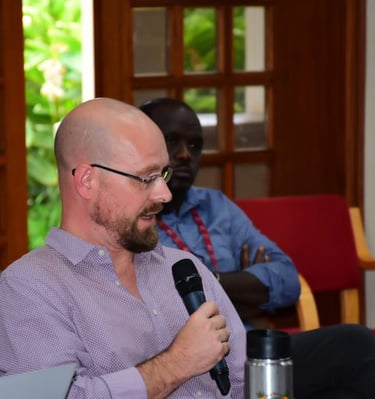
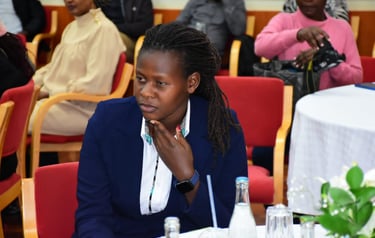
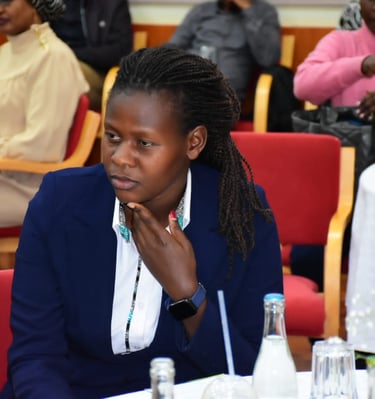
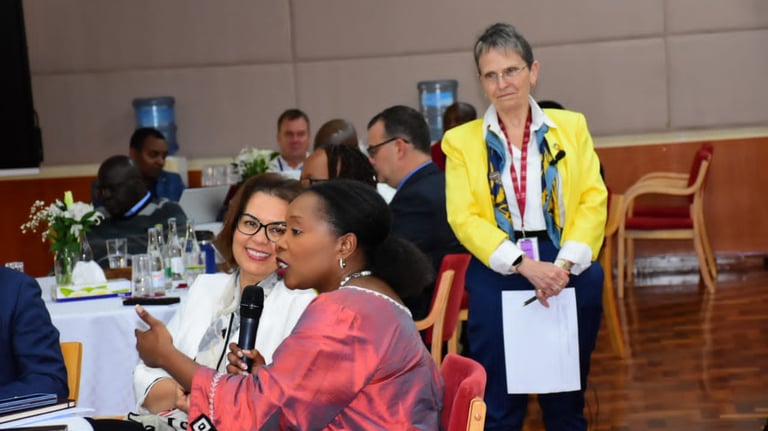
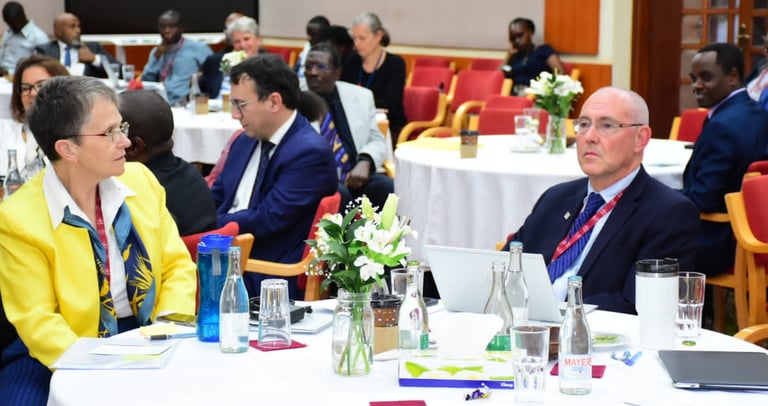
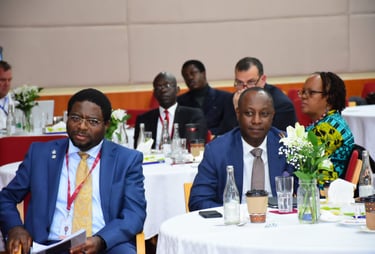
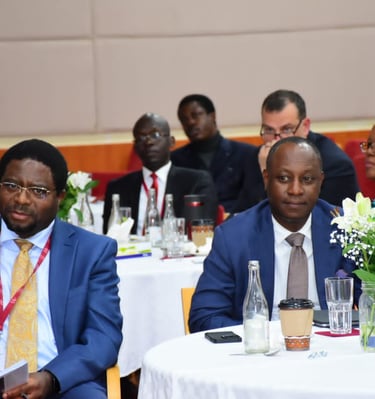
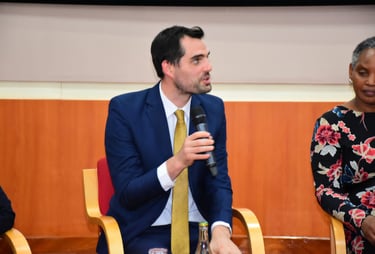
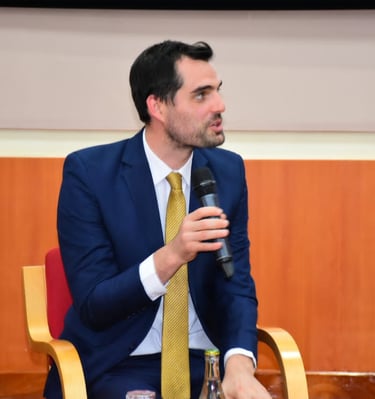
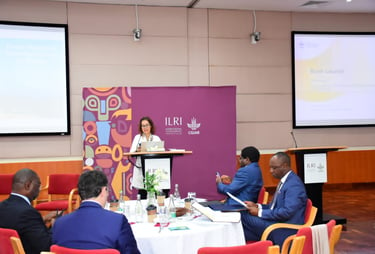
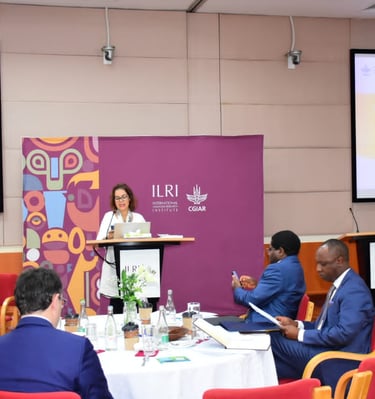
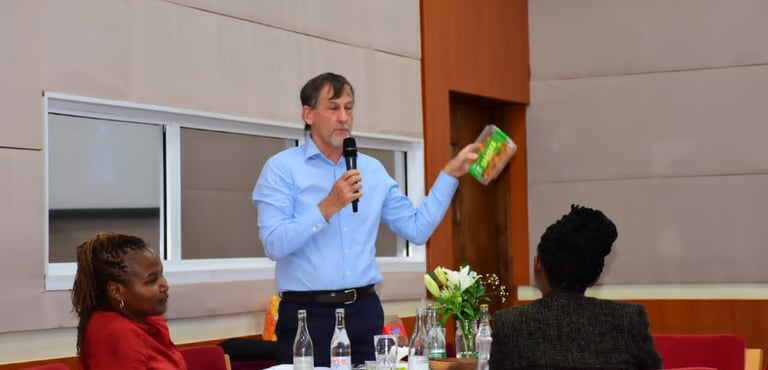
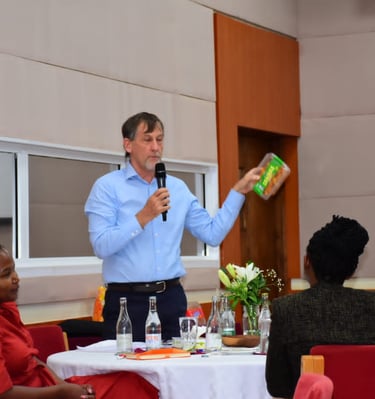
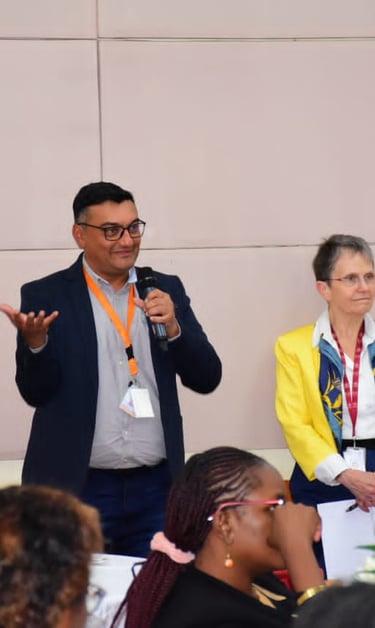
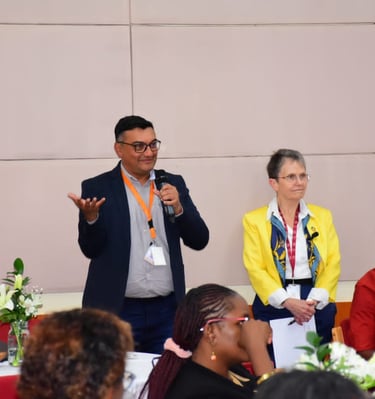
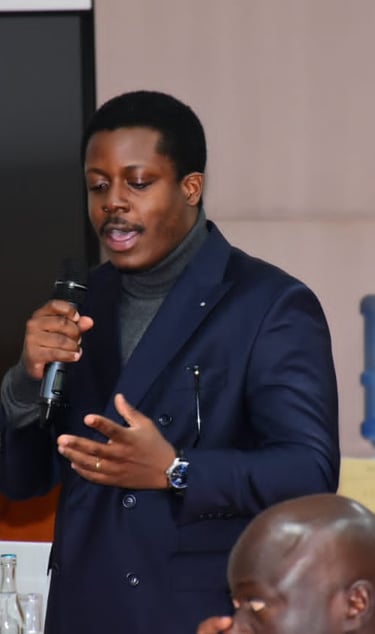
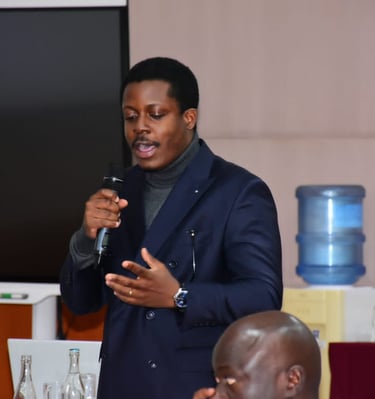
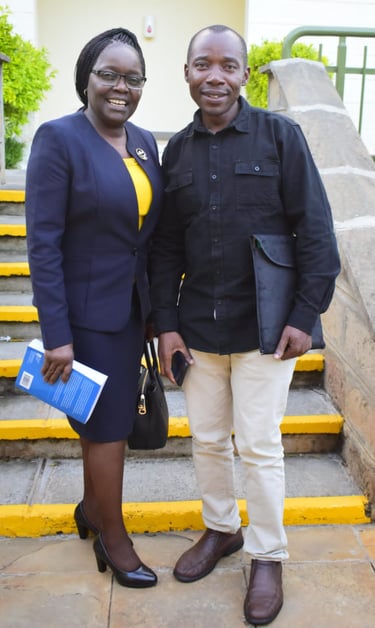
Our representative Bawili A. Daudi, who serves as the secretary General for the Tanzania branch and is the Africa representative for the Farmers Solidarity for Agricultural and Social Development (Sopadas), successfully participated in the event for the Launch of the new book, Food Systems Transformation
THE ANNUAL AWIEF CONFERENCE AND AWARDS
9 & 10 November 2023
Kigali Convention Centre, Kigali Rwanda

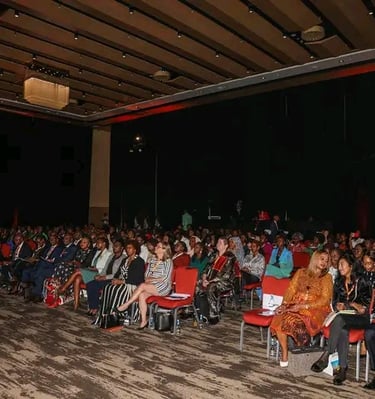
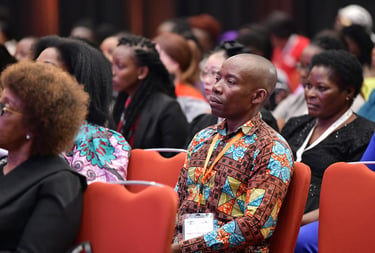
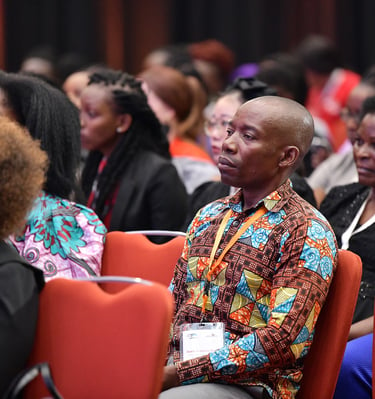
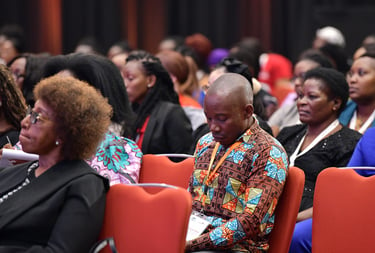
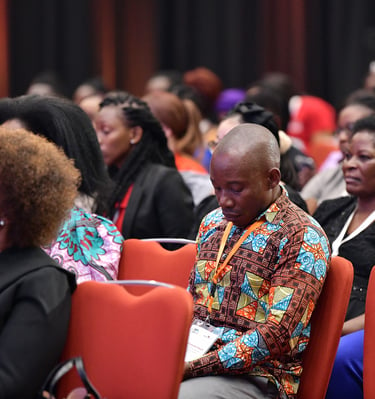
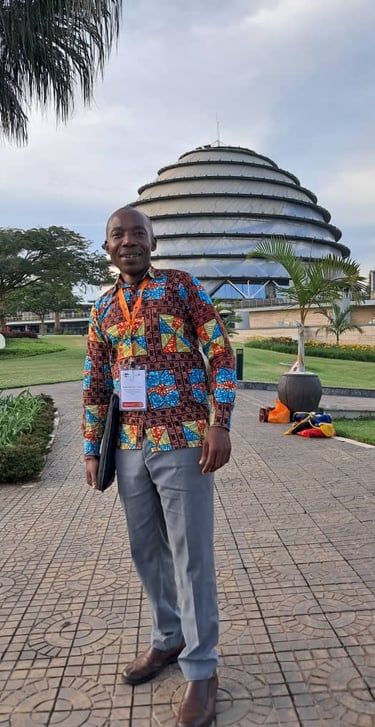
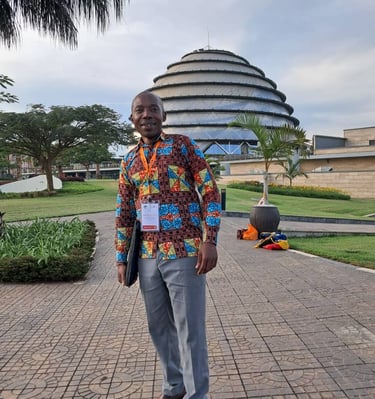
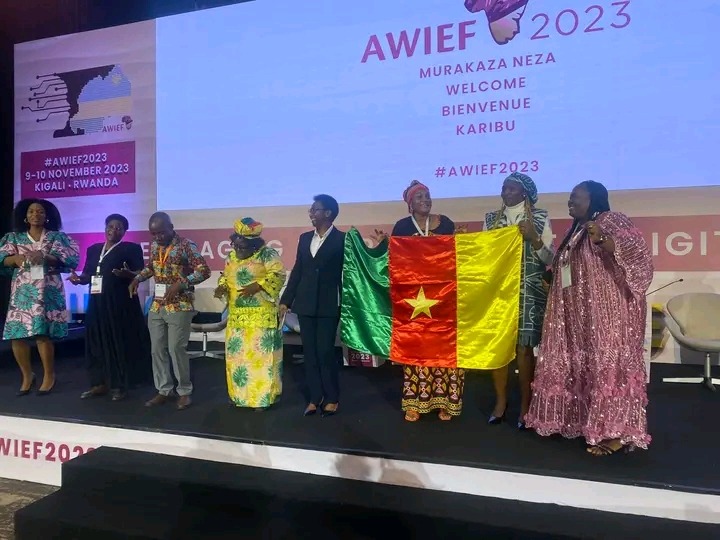
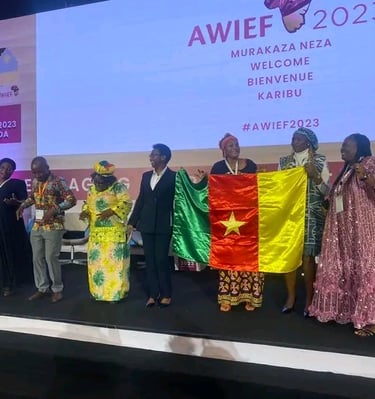
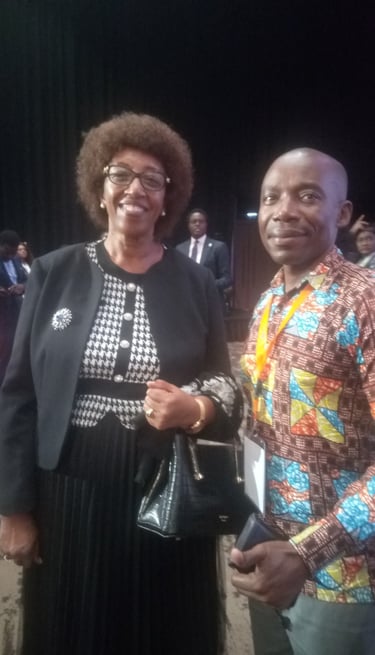
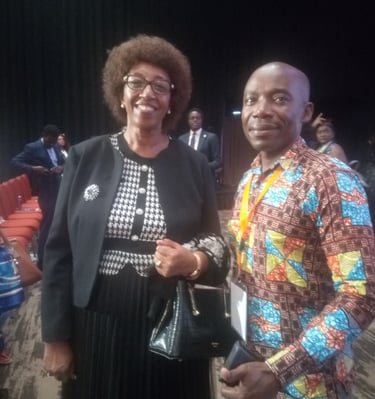
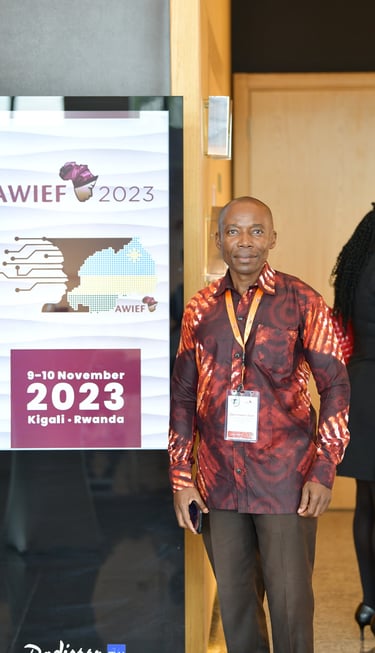
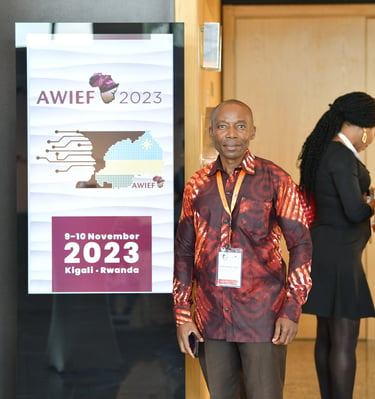
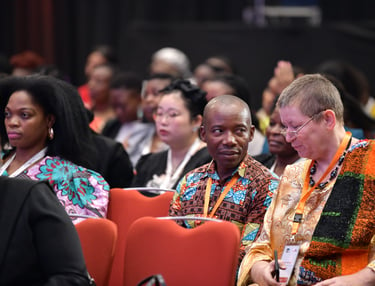
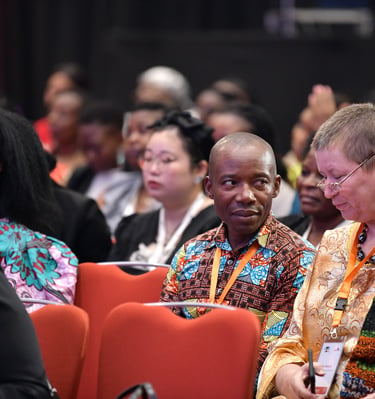
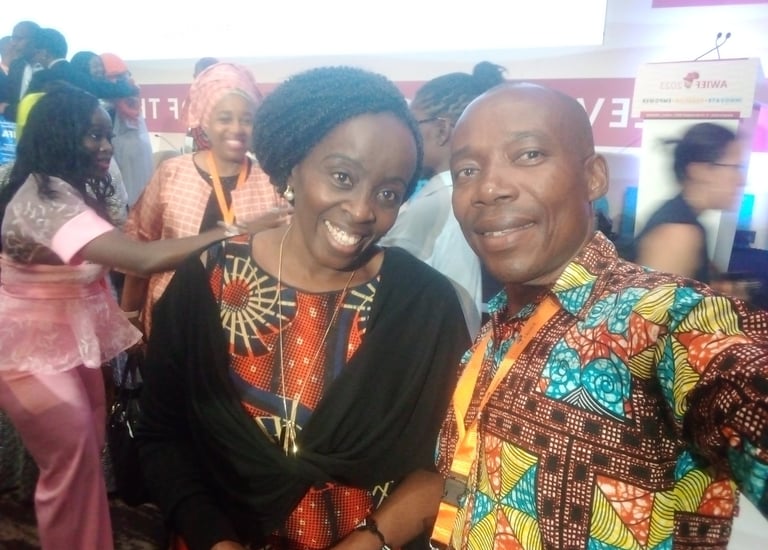
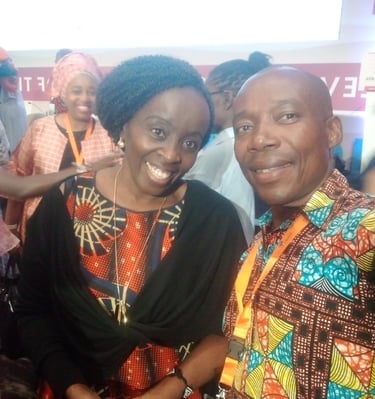
Bawili Anzuruni Daudi, serves as the secretary general of the Tanzania branch and is also the Africa representative for the Farmers Solidarity for Agricultural and Social Development Organization during the AWIEF 2023 conference and awards.
Madam Mbaranga Clotilde Gasarabwe (above), a notable figure and former assistant secretarygeneral for safety and security at the United Nations, stood poised alongside, Daudi, the Tanzania branch secretary and representative for the organization in Africa. Together, they commanded the attention of the audience as distinguished speakers at the event. Madam Mbaranga shared her valuableinsights and experiences, enriching the discussion with her wealth of knowledge. The atmosphere buzzed with enthusiasm, as attendees engaged in passionate dialogues and meaningful networking opportunities.
Daudi(above), was honored to be photographed alongside Madam Alice Nkulikiyinka, who serves as the Country Director for the Business Professional Network Rwanda (BPN Rwanda). As a distinguished speaker at the event, Alice shared her insights and experiences, contributing to the vibrant discussions on women's empowerment and entrepreneurship in Africa.
Daudi (left), had the incredible opportunity to dance Cameroonian music with delegates from Cameroon and Nigeria, creating a lively atmosphere filled with joy, where participants dazzled with their rhythmic moves, sharing unforgettable moments. Among the notable attendees was Madam Erine Ochem, who wore a stylish black suitpaired with a crisp white shirt. As the founder and CEO of the Africa Women Innovation and Entrepreneurship Forum (AWIEF), her remarkable presence added to the event's energy. She not only participated in the dance but also seized the chance to capture the joyous occasion in a photo with the delegates.
This experience served as a beautiful reminder of the strength found in unity and the importance of cultural exchange among diverse communities.
Our representative Daudi engaged in a discussion with Dr. Eng. Anke Weisheit, the co-founder and chair of Pharmbiotrac, who specializes in innovation and business management. They shared ideas and explored a range of topics, setting the groundwork for future collaborations aimed at empowering and inspiring entrepreneurs and businesses in the region.
National Youth Week, Nyerere Day & The Conclusion of Mwenge.
Babati, Manyara - Tanzania.
08 - 14 / 2023


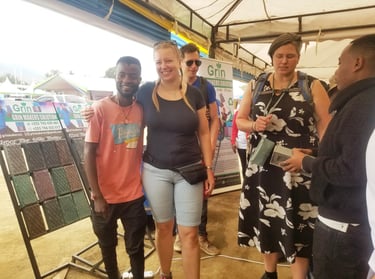
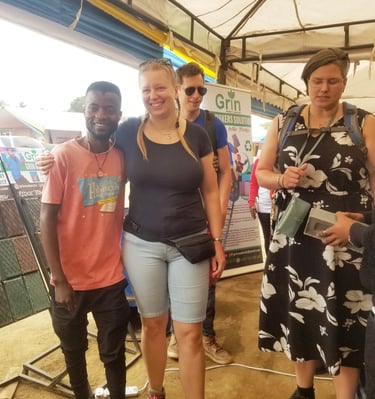
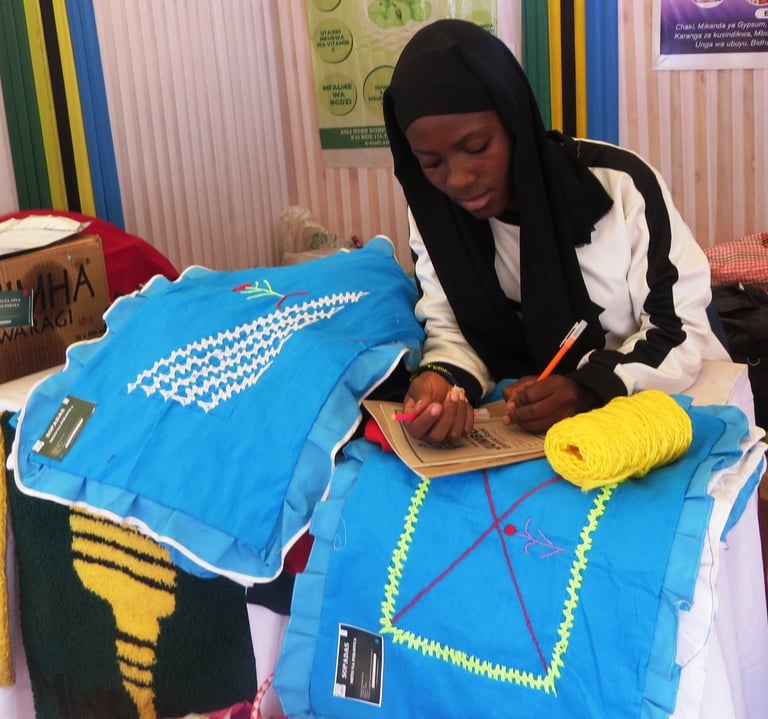
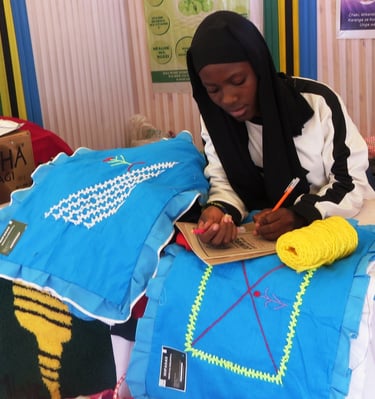
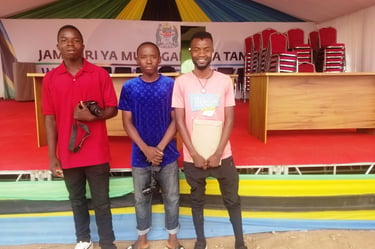
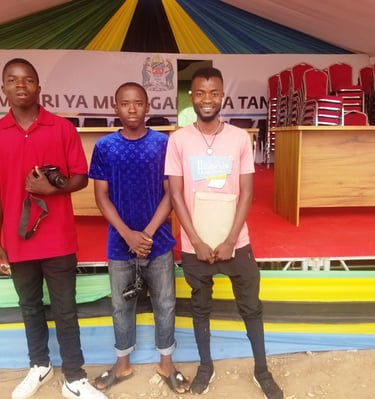
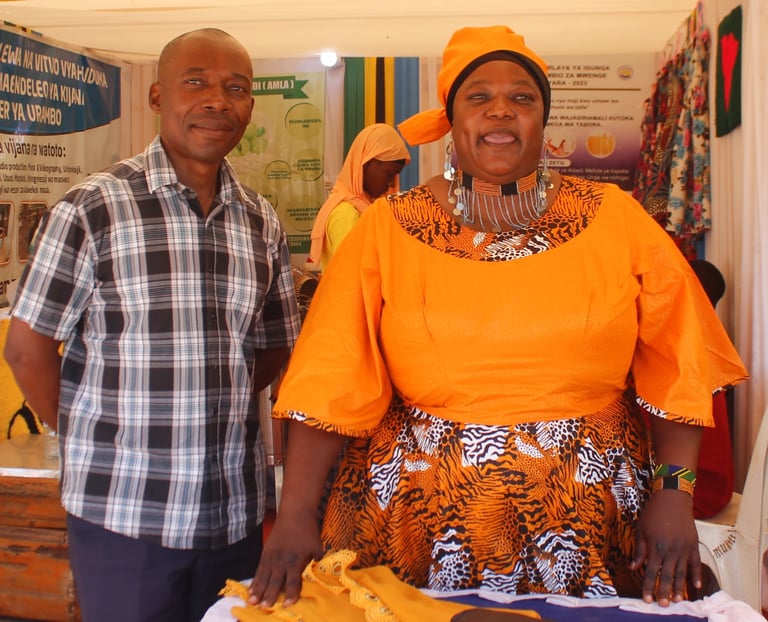
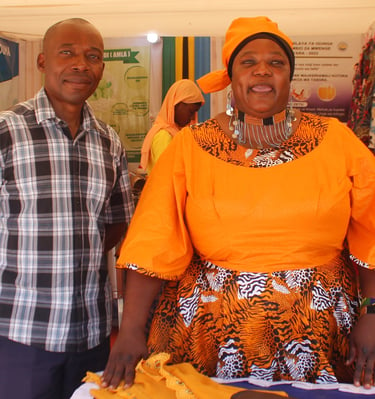
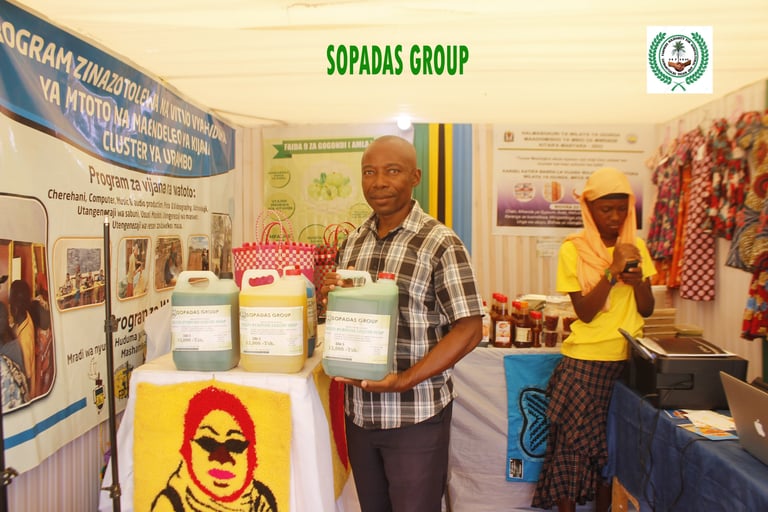
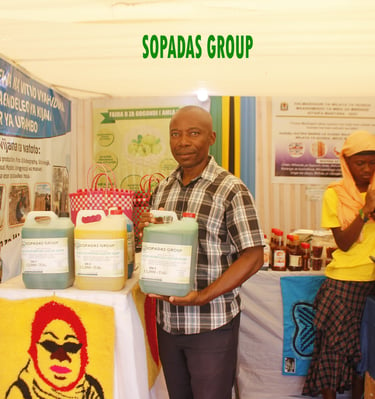
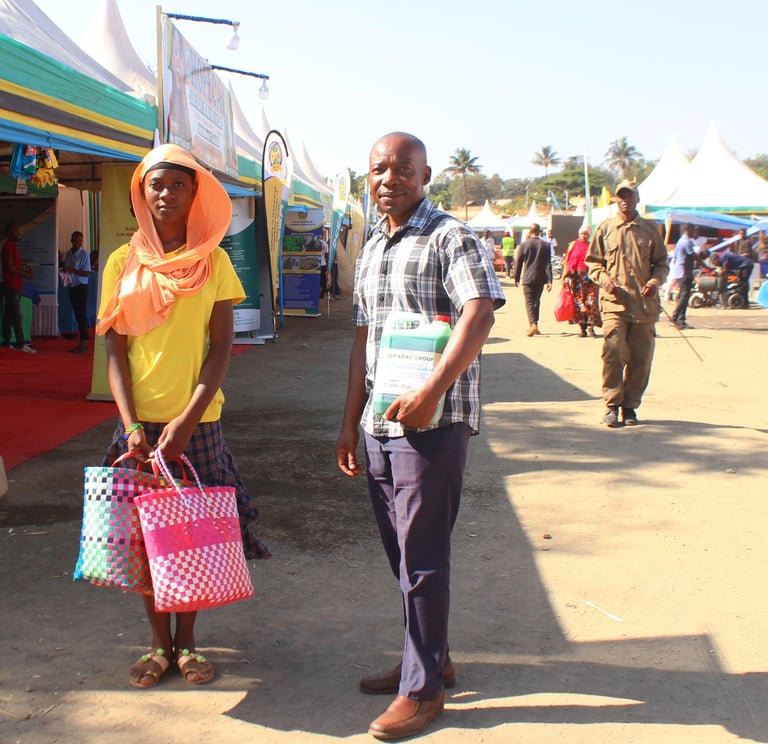

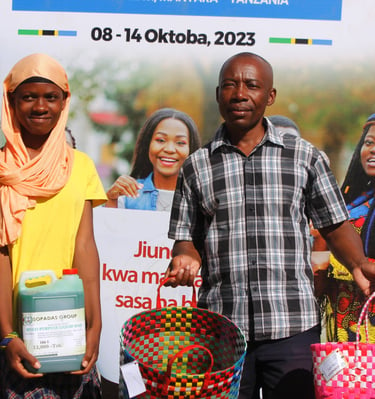
National Youth Week, Nyerere Day, and the national climax of the Uhuru Torch (Mwenge) race were held jointly in Babati, Manyara Region, Tanzania. The week-long series of events and celebrations concluded on October 14, 2023. President Samia Suluhu Hassan served as the guest of honor for the closing ceremonies.
The 2023 joint commemorations featured:
The Conclusion of Mwenge (Uhuru Torch): The national race culminated on October 14, 2023, at the Tanzanite Kwaraa Stadium in Babati. It marked the end of a nationwide tour where the torch inspected and inaugurated various local development and economic projects.
National Youth Week: Centered around youth empowerment and economic participation, the week involved various youth-led discussions, workshops, and exhibitions aimed at raising awareness about sustainable development and youth development policies.
Nyerere Day: Observed annually on October 14, this public holiday honors the legacy, principles, and life of Tanzania's founding father and first president, Mwalimu Julius Kambarage Nyerere. The national prayers and memorial events were held alongside the Mwenge climax in Babati.
You can read more about the Tanzania Daily News for a recap of the government's economic assurances to the youth made during the event, or browse through the event images and summaries on the Michuzi Blog